The Human Blueprint
A Journey from Appreciation to Ownership
I barely made it out of high school. Truth is, I had to be sent away to a military high school just to make sure I got a diploma. I was the kind of kid you’d look at and think, “That one’s headed nowhere good.” I was angry, lost, and making all the wrong choices.
My family eventually disowned me. Teachers had given up. I was headed down a path that ended in either prison or worse. At one point, I was sleeping in a golf course maintenance shed and surviving on a loaf of bread and a couple of 25-cent packages of ham per week.

Then I found the Marine Corps. I believe it was put in my path very intentionally by the Man upstairs. I had no idea what a Marine was when I signed that contract. I just wanted to see the world, meet interesting women, and shoot every gun known to man. That’s what my recruiter told me would happen if I locked in an infantry contract.
When I first walked into the recruit depot, everything changed. For the first time in my life, I was excited to prove myself. I was appreciative of the opportunity to be a part of something bigger than my screwed-up past. I had no college degree, no real skills, just a high school diploma I barely earned, and a chance to start over as an infantry Marine.
20 years later, I would retire a commissioned Marine Officer. Today, I am the founder and CEO of Warrior Mindset, and it just goes to show that everyone starts somewhere. Your past doesn’t define your future unless you allow it to. Appreciation begins when you recognize that opportunity as a gift, not a guarantee. Luckily, we have the blueprint.
Understanding the Blueprint
At Warrior Mindset, we describe human behavior within a team through what we call “The Human Blueprint.” This framework shows the typical stages a person transitions through within any team—whether it’s a military unit, a corporate office, or an athletic program. There are four distinct zones:
Appreciation – Where you’re grateful for the opportunity and eager to prove yourself.
Anticipation – Where you continuously look for ways to earn your spot and add value.
Expectation – Where you feel entitled to your position regardless of performance.
Rationalization – Where you blame everyone else for your failures and lack of success.
We live in a society where many employees and athletes can quickly trade their Appreciation for the Expectation of being part of the team. Unfortunately, these are the people who systematically erode a team's culture from the inside out. Understanding these zones, how to recognize when our team members are in them, and how we can easily fall victim to them ourselves, will be a game-changer for your organization.
The Appreciation Zone – Earning My Place
My first days in the Marine Corps were humbling. I wasn’t the strongest, wasn’t the fastest, wasn’t the smartest. But I had something that couldn’t be taught—I was grateful. Grateful for three meals a day. Grateful for a purpose. Grateful for leaders who gave a damn whether I succeeded or failed.
I had previously hit rock bottom, so I knew what it meant to have something worth fighting for. Every morning when I laced up my boots, I understood that I was privileged to be there. Not entitled. Privileged.
When I see someone walk into a business and the customer service rep couldn’t care less if they buy something or not—when they keep their conversation with a co-worker going even though someone’s patiently waiting to ask a question—that tells me everything I need to know:
They do not believe in the company's mission, vision, and principles.
The owner or supervisor is nowhere to be found.
This person is punching a clock and collecting a paycheck, regardless of how well the team performs.
This person has become complacent and has transitioned fully into the Expectation Zone of the Human Blueprint, where they now feel entitled to a paycheck regardless of their performance.
Conversely, how refreshing is it when you have a server, salesperson, or customer service representative who truly cares and is willing to do whatever it takes to find you a solution? That tells me they’re either on a recorded line where they’ll be held accountable, or they’re a true believer in what they do and in the company or team they’re a part of. Either way, the team culture has been established by a leader, with incentives for high performers, consequences for low performers, and appreciation for being part of the team.
Appreciation isn’t about being soft or weak. It’s about recognizing the value of your opportunity and refusing to take it for granted. The moment you start believing you’re owed something is the moment you stop earning it.
The Crossroads – When the Corps Offered More
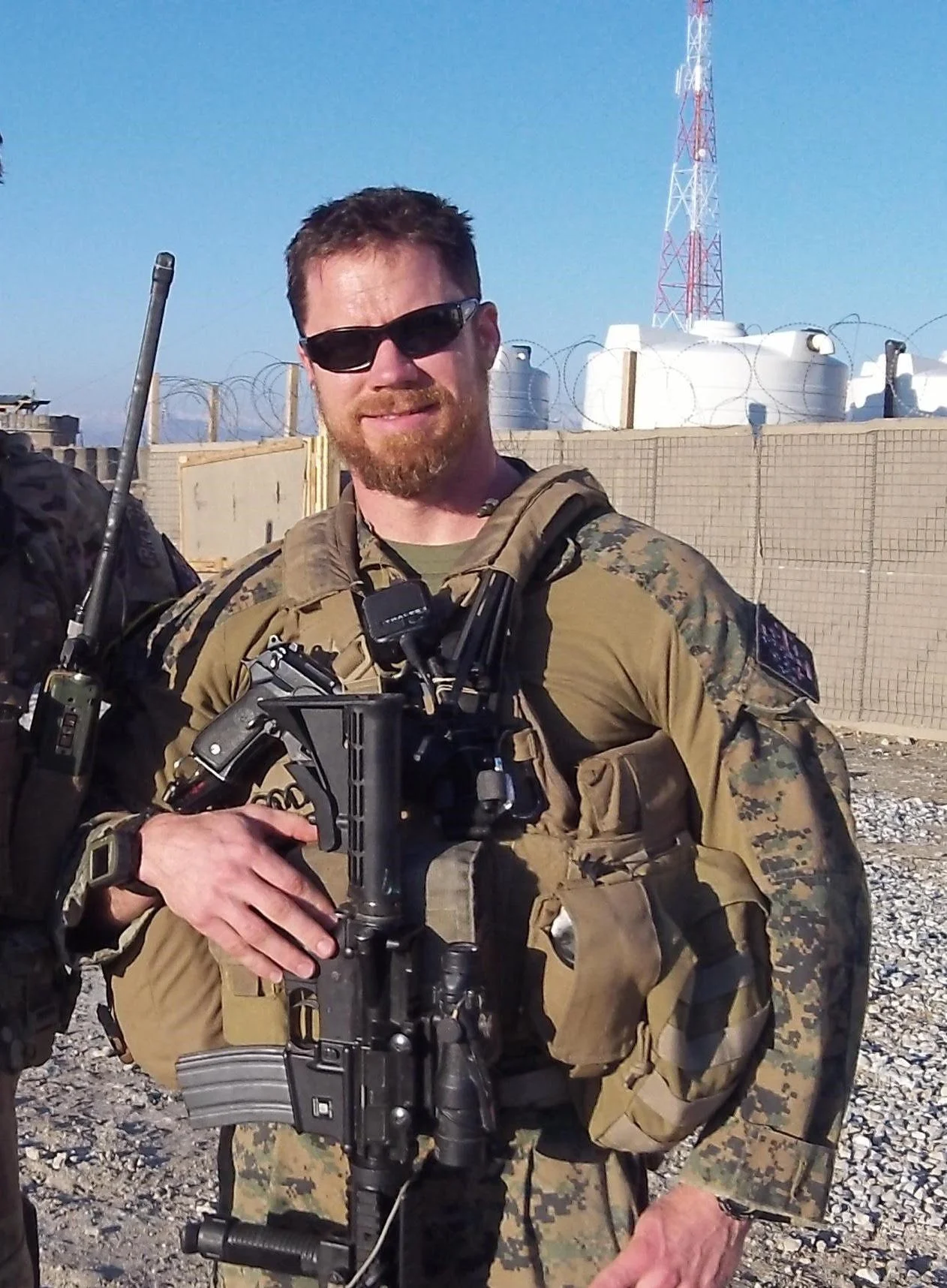
I could have gotten out after four years. I’d done my time, proven I wasn’t that troubled kid anymore. The Marine Corps had given me discipline, purpose, and pride. I could have walked away satisfied.
Then they offered to send me to college. All I had to do was give them a few more years and serve as a Tank Commander. Some guys would’ve seen that as just a transaction—trade more time for education. For me, it was appreciation.
They’d already given me everything. A brotherhood. A purpose. A chance to be something I never thought I could be. How could I not give back and become the leader I was destined to be?
This is what separates people in the Appreciation zone from those who’ve slipped into Expectation. When an opportunity presents itself, the person in the Appreciation and Anticipation Zones sees it as a chance to add more value, to grow, to earn their continued spot on the team. The person in the Expectation Zone sees it as what they’re owed, what they deserve, regardless of their contribution.
When opportunity knocks, your response reveals which zone you’re in. Are you asking, “What can I give?” or “What do I get?” The first question keeps you sharp. The second makes you entitled.
The Anticipation Zone – Staying Sharp
Between the Appreciation and Expectation Zones sits the Anticipation Zone. This is where the warrior is continuously looking for ways to earn his or her spot on the team. This is how I felt throughout my time in the Marine Corps, and it’s how I feel now as part of the Warrior Mindset team.
Each team member wants to add value, contribute, and meet or exceed their team’s standards. The Anticipation Zone keeps us sharp, even when the newness and shine have worn off. You do your job and take the initiative to look for ways to improve the process.
When I see an athlete alone in the gym, taking shots, or staying after practice to work on a specific technique, I know that athlete believes they can be great and doesn’t want to let down the team they’re privileged to be part of. That’s appreciation driving anticipation.
Then there’s the athlete who is punching the proverbial clock. They show up just in time to lace up their shoes and can’t wait to get done with practice so they can go play video games or hang out with a boyfriend or girlfriend. That’s expectation.
The Anticipation zone is where excellence lives. It’s not flashy. It’s not loud. It’s the quiet work nobody sees. It’s staying late when everyone else goes home. It’s reviewing the plan one more time. It’s asking, “What did I miss?” instead of “Am I done yet?”
Excellence is not a singular event—it’s a habit. The Anticipation Zone is where you build that habit. You don’t wait to be told what to do. You look for what needs to be done, and you do it.
The Brotherhood – My Best Friends and Heroes
I met my best friends in the Marines and while serving alongside Army Special Operations. They became my heroes—men I considered more important than my own life. We looked out for each other, pushed each other, and held each other accountable. That’s what happens when you stay in the Appreciation and Anticipation Zones.
You don’t just show up and punch a clock. You show up knowing that your effort matters, that your team is depending on you, and that you’re privileged to be part of something that demands your best.
These men taught me what leadership really means. Not the rank on your collar, but the example you set. Not the authority you have, but the trust you earn. They showed me that being a warrior isn’t about being the toughest guy in the room—it’s about being the most reliable, the most committed, the one who refuses to quit when things get hard.
The quality of your team reflects the zone you operate in. When everyone is in Appreciation and Anticipation, you build something special. When people slip into Expectation, the team erodes from the inside out. Choose your zone. Your team is watching.
Combat – When Complacency Kills
“Complacency kills” is the mantra Marines live by. I learned that truth in Afghanistan. Complacency in a combat environment means you are just going through the motions, maybe not checking all the boxes, and relying on luck to fill those gaps.
We all know what happens next—an oversight that costs someone their life.
I carry those costs on my heart. The names of the men we lost are permanent reminders that when you slip from Appreciation into complacency (Expectation), people pay the price. Their memories live in my mind every single day, pushing me to never take anything for granted again.
In combat, complacency is visible. You see it when a Marine doesn’t check his weapon properly. When someone rushes through pre-mission checks. When guys start believing they’re invincible because they’ve made it this far.
The same thing happens in the corporate environment when a sales manager stops checking work. They rely on the hope that people are continuing to do their jobs. Maybe a few sales reps have the self-discipline to do so. The rest start to slip; eventually, revenue declines, bonuses disappear, and people leave.
The difference is, in combat, complacency kills people. In business, it kills careers, companies, and dreams. The stakes feel different, but the principle is the same: when you stop earning your spot, when you start expecting it instead of appreciating it, you’re headed for failure.
Complacency is a silent killer. It doesn’t announce itself. It creeps in through small compromises, through thinking “just this once” or “nobody will notice.” The only antidote is vigilance—constant awareness of which zone you’re in and a commitment to stay in Appreciation and Anticipation.
The Danger Zone – Expectation
A person can linger in the Expectation Zone on some teams, just doing enough not to get fired or lose their scholarship. I’ve seen it happen. Good Marines who started strong, but somewhere along the way, they started believing they’d earned the right to coast.
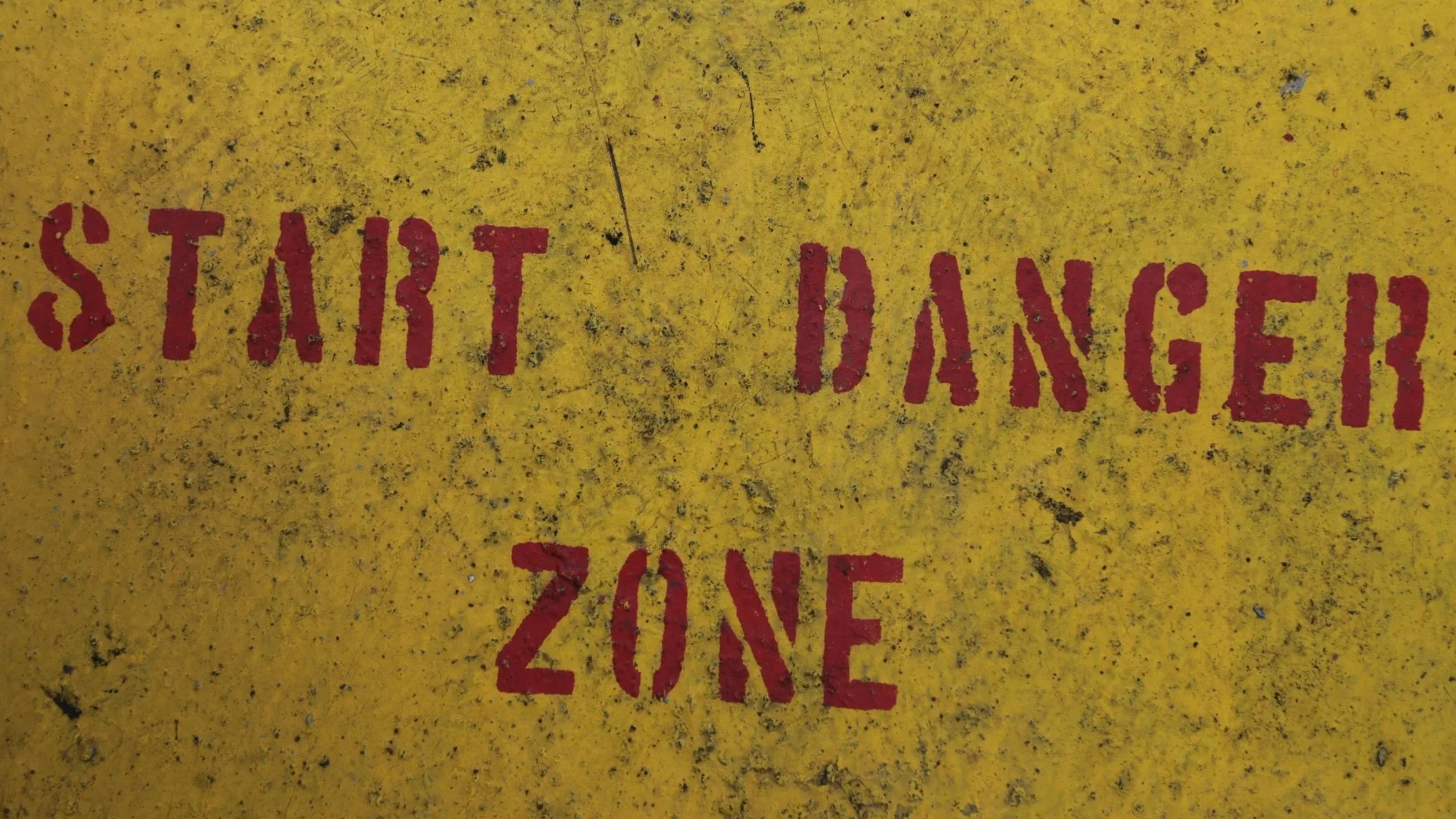
They stop volunteering for the hard assignments. They do the minimum required. They show up on time but leave exactly when they’re allowed to. They’re there, but they’re not really there.
In the corporate world, it’s the employee who’s done the job for five years and now thinks they’ve paid their dues. They deserve the promotion. They deserve the raise. They deserve respect—not because they’re currently earning it, but because they used to.
The problem with the Expectation Zone is that it feels justified. You tell yourself you’ve earned the right to relax a little. You’ve put in your time. You’ve proven yourself. Why should you have to keep proving it?
Here’s why. Because your team is still counting on you. Because your customers still need you. Because the mission doesn’t care about what you did yesterday—it only cares about what you’re doing today.
Expectation is the most dangerous zone because it feels reasonable. It sneaks up on you disguised as fairness. “I’ve earned this,” you tell yourself. And maybe you did. But earning something yesterday doesn’t mean you get to stop earning it today.
The Collapse – Rationalization
Inevitably, without a course correction, a person in the Expectation Zone will slide into the Rationalization Zone. This is where we hear things like:
“I’ve done my part.”
“They never give us enough time off, bonuses, or raises.”
“Coach doesn’t know what he’s doing.”
“Leadership doesn’t support us. They’re just waiting for us to mess up.”
This person points the finger in any direction except back at themselves for poor performance on the field, a dip in sales, or a losing season. They’ve convinced themselves that their failure is everyone else’s fault.
I could have easily gone that direction as a young man. I was headed there before the Marines—blaming my family, blaming my teachers, blaming society for my problems. It’s easier to point fingers than to look in the mirror.
The Rationalization Zone is where teams die. One person in this zone can poison an entire culture. They spread negativity like a disease, convincing others that the problem isn’t them—it’s everyone else.
Rationalization is the end of growth. When you convince yourself that your failures are someone else’s fault, you remove your own power to fix them. You become a victim of circumstances instead of a warrior who overcomes them.
Which Zone Are You In?
I carry my fallen brothers with me—their names on my heart, their memories in my mind—as a reminder that every day is a gift, every opportunity is a privilege, and Appreciation isn’t just a zone you pass through.
It’s a choice you make every single day.
So here’s the question you need to answer honestly: Which zone are you living in right now?
Are you in Appreciation—grateful for your opportunity and eager to prove yourself?
Are you in Anticipation—continuously looking for ways to earn your spot and add value?
Are you in Expectation—feeling entitled to your position regardless of your performance?
Are you in Rationalization—blaming everyone else for your lack of success?
Be honest with yourself. Your team is counting on you. Your family is counting on you. Your future self is counting on you.
That’s the Blueprint. That’s the choice we all face.
Choose Appreciation. Choose Anticipation. Choose to be a Warrior.
Stick around next week, we’ll discuss what to do if you find yourself in the Expectation Zone or worse, rationalizing why things are in their current state. Make sure you sign up for our newsletter, so you don’t miss an opportunity to make a difference.
About the Author
Cory Ross is a combat veteran, Bronze Star recipient, and CEO of Warrior Mindset LLC. After serving as a Marine infantry leader and Tank Commander with deployments to Afghanistan, Cory now helps corporate teams, athletic programs, and organizations build cultures of excellence through leadership development and mental performance training. He lives by the principle that true wealth is measured in Faith, Family, Service, and Fitness.